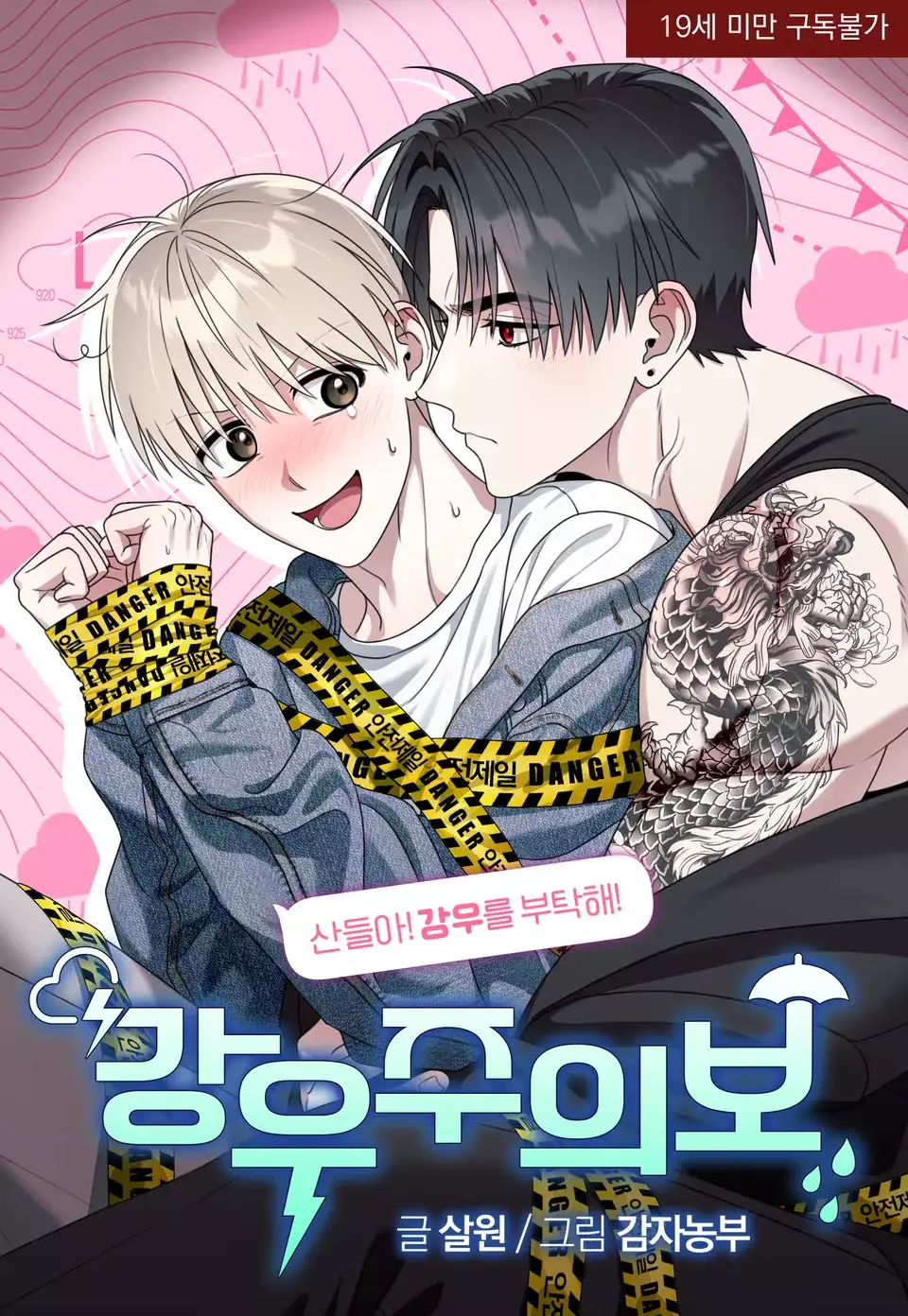
CẢNH BÁO TRỜI MƯA - CẢNH BÁO TRỜI MƯA 2
04-04-2026 01:54:53 GMT+7 02-05-2026 10:35:38 GMT+7CẢNH BÁO TRỜI MƯA by author Tôi bị gay is a manga series that has garnered significant attention. The following article provides a detailed overview of the plot, setting, and why CẢNH BÁO TRỜI MƯA is worth adding to your reading list.
CẢNH BÁO TRỜI MƯA – Main Plot and Review
Deep dive into CẢNH BÁO TRỜI MƯA: a groundbreaking 18+ Manhwa masterpiece. Explore its kịch tính plot, lãng mạn BoyLove, trauma, and character growth. A must-read on JellyComics.
|||
# Beyond the Storm: A Definitive Deep Dive into the Emotional Tempest of CẢNH BÁO TRỜI MƯA Manhwa
###
## Introduction: The Phenomenon of CẢNH BÁO TRỜI MƯA
From the moment the first chapter graced our screens, **CẢNH BÁO TRỜI MƯA** burst onto the digital Manhwa scene with the force of a thunderclap. It’s not just another entry in the saturated landscape of webtoons; it is a seismic event, redefining what readers expect from the 18+ BoyLove (BL) genre. This truyện màu sensation from JellyComics has captivated a global audience, pulling them into its intricate web of passion, pain, and profound personal transformation.
###
At its core, **CẢNH BÁO TRỜI MƯA** tells a story that resonates deeply, exploring themes of enduring love, the scars of the past, and the daunting journey of self-acceptance. The initial premise alone, "Trong 8 năm tôi biến mất, Choi Kang Woo đã trở thành một tay anh chị khét tiếng trong vùng. Và một Choi Kang Woo lạnh lùng, đáng sợ đó… đến bây giờ vẫn còn thích tôi," promises an immediate hook. It’s a setup that drips with dramatic tension, hinting at years of unspoken longing and a dangerous, undeniable connection that time and circumstance have only intensified.
###
What makes **CẢNH BÁO TRỜI MƯA** a true phenomenon isn't merely its 18+ rating or its striking artwork, though these are certainly contributing factors. It is the masterful weaving of a "kịch tính" (dramatic) narrative with deeply "lãng mạn" (romantic) undertones, all underpinned by an authentic "tình cảm" (emotional) core. Readers aren't just voyeurs; they are immersed, feeling every pang of regret, every surge of hope, and every heart-stopping moment of intimacy.
###
This Manhwa doesn’t shy away from the complexities of human emotion. It tackles the raw, often uncomfortable truths of desire, fear, and the sometimes-destructive power of love. The characters are not caricatures; they are flesh-and-blood individuals grappling with their past mistakes and uncertain futures. This commitment to realism, even within a heightened dramatic setting, is what elevates **CẢNH BÁO TRỜI MƯA** far above its peers.
###
As a Lead Comic Critic at JellyComics, I’ve witnessed countless titles come and go, but few leave an indelible mark quite like this one. Its unique blend of dark romance, psychological depth, and visceral storytelling ensures its place as a groundbreaking work. This deep dive will unravel the layers of its brilliance, from its compelling plot to its stunning visuals and the intricate dance of its unforgettable characters. Prepare to be thoroughly engrossed, for the storm is brewing, and it's unlike anything you've experienced before.
###
## In-Depth Plot Analysis & World Building of CẢNH BÁO TRỜI MƯA
The narrative fabric of **CẢNH BÁO TRỜI MƯA** is woven with threads of mystery, longing, and an undeniable undercurrent of danger. The story kicks off with the unnamed protagonist, whom we shall refer to as "Minh" for clarity, returning to his hometown after an eight-year absence. This isn't a triumphant return, but one fraught with apprehension, a quiet dread hanging over him like the titular warning of rain. His past is a ghost he cannot outrun, and the first specter to confront him is Choi Kang Woo.
###
Minh's disappearance wasn't a casual departure; it was an escape. Driven by a complex cocktail of fear, confusion regarding his burgeoning sexuality, and a traumatic incident involving Kang Woo—perhaps an intense confession or a misunderstanding that escalated—Minh fled. He believed that distancing himself would allow him to sort out his feelings, to come to terms with the profound, unsettling attraction he felt towards his childhood friend. The pressure of societal expectations, coupled with internalised homophobia, made the situation unbearable for a young Minh, leading him to sever all ties abruptly and without explanation.
###
The world he returns to is familiar, yet subtly warped. The innocent, sun-drenched streets of his youth are now cast under a different light, tinged with the grit and shadows of an urban underworld. Choi Kang Woo, the gentle, protective boy Minh remembers, has transformed. Eight years have sculpted him into "một tay anh chị khét tiếng trong vùng." This isn't just a change in demeanor; it's a complete metamorphosis. Kang Woo now commands respect—and fear—through an unspoken authority. He's sharper, colder, his eyes holding a depth of pain and resolve that Minh struggles to reconcile with his memories.
###
The "tay anh chị" aspect is not merely a superficial cool factor; it's deeply integrated into the world-building of **CẢNH BÁO TRỜI MƯA**. Kang Woo's rise to power isn't arbitrary. It's a consequence, perhaps born out of despair and a desperate need to control his environment after Minh's sudden departure. His network, his reputation, his loyal subordinates—they all contribute to a dangerous ecosystem where old wounds can easily fester and new threats lurk around every corner. This setting enhances the "kịch tính" exponentially; every interaction between Minh and Kang Woo is charged not only with personal history but also with the implicit threat of Kang Woo’s formidable influence.
###
Minh's return instantly sends ripples through this carefully constructed world. Kang Woo, despite his hardened exterior, reacts with a visceral intensity that betrays his long-suppressed emotions. The initial encounters are a masterclass in tension. There's the awkward silence, the piercing stare, the loaded questions that go unanswered, and the palpable sense of two souls orbiting each other after an eternity apart. The narrative brilliantly uses these early interactions to establish the core conflict: Minh’s guilt and fear versus Kang Woo’s unresolved love and barely contained rage.
###
The plot skillfully employs flashbacks, revealing snippets of their past—shared laughter, stolen glances, innocent touches that, in hindsight, were charged with a nascent "tình cảm." These nostalgic glimpses serve to highlight the stark contrast with their present reality, adding layers of pathos and amplifying the emotional stakes. The audience understands *why* Kang Woo is so intense, *why* Minh felt compelled to flee, and *why* their reunion is so profoundly impactful.
###
The obstacles aren't just internal. External forces also play a crucial role. Perhaps rivals to Kang Woo's power see Minh's return as a weakness to exploit. Or perhaps those who were hurt by Kang Woo’s transformation seek revenge, inadvertently pulling Minh into the dangerous orbit of his former friend’s life. These elements contribute significantly to the "kịch tính," transforming a personal drama into a broader narrative of survival, loyalty, and redemption. The "18+" elements, while undoubtedly present, are woven into moments of raw intimacy, fear-driven desperation, or passionate reconnection, rather than existing solely for shock value. They serve to deepen the emotional connection and vulnerability between the characters.
###
As the story progresses, Minh finds himself increasingly entangled in Kang Woo’s world. He can no longer remain a passive observer. The truth behind his disappearance slowly begins to surface, forced out by Kang Woo’s relentless pursuit and Minh’s own dawning realization that he can no longer hide. This leads to a series of confrontations, both verbal and physical, where old wounds are reopened, and long-held secrets are finally revealed.
###
The world-building extends beyond just the underworld elements. It subtly paints a picture of societal expectations in Korea, especially concerning sexuality, which might have contributed to Minh's initial flight. The supporting characters, whether Kang Woo’s loyal enforcers or Minh's newfound acquaintances, also help flesh out this environment, showcasing different reactions to Kang Woo’s status and Minh’s mysterious past. The intricate dance of power, love, and self-discovery within this beautifully rendered yet dangerous setting is what makes the plot of **CẢNG BÁO TRỜI MƯA** so utterly compelling and impossible to put down. Each chapter leaves you yearning for more, a testament to its expertly crafted narrative.
###
## Comprehensive Character Study
The heart and soul of **CẢNH BÁO TRỜI MƯA** lie in its meticulously crafted characters, particularly the dynamic duo at its core. Their complex psychologies, intertwining traumas, and undeniable chemistry are what transform a compelling plot into an unforgettable experience.
###
### Protagonist Analysis: Minh
Minh is introduced as a character steeped in regret and apprehension. His return isn't a choice made lightly but rather a consequence of unavoidable circumstances or a subconscious yearning to confront his past. For eight years, he has carried the heavy burden of guilt, believing his abrupt departure caused immense pain to Choi Kang Woo. This guilt is a pervasive force in his psyche, manifesting as anxiety, a reluctance to engage, and a constant defensiveness.
###
His trauma is multifaceted. Beyond the separation from Kang Woo, which itself was deeply impactful, Minh likely grappled with internalized homophobia. The phrase "Tôi bị gay" isn't just a descriptor; it represents a personal battle, a journey of self-discovery that may have been painfully isolating during his time away. He may have faced rejection or misunderstanding, leading him to believe his sexuality was something to be hidden, a source of shame. This internal conflict fuels his initial reluctance to embrace his feelings for Kang Woo.
###
Minh's growth arc is perhaps the most significant in the Manhwa. Initially, he is passive, reacting to Kang Woo's advances and the escalating drama around him. However, as the narrative unfolds, he slowly sheds his skin of fear and self-doubt. He begins to challenge Kang Woo, not just out of self-preservation, but out of a desire for honesty and understanding. His journey involves confronting the past trauma, accepting his own sexuality, and ultimately, learning to trust not only Kang Woo but also himself. This transformation from a haunted, insecure individual to someone capable of standing their ground and embracing a complex love is deeply inspiring and resonates with readers facing similar struggles with identity. His motivation for returning, whether forced or chosen, eventually becomes a catalyst for his profound personal evolution.
###
### Antagonist/Side Character Analysis: Choi Kang Woo
Choi Kang Woo is the enigmatic force that drives much of the narrative. His transformation from a potentially naive or gentle youth into "một tay anh chị khét tiếng" is not merely external. It speaks volumes about his psychological state. His cold, intimidating exterior is a meticulously constructed facade, a shield built over years of abandonment and heartbreak. Beneath the layers of tattoos and the aura of danger lies the boy who was utterly devoted to Minh, a devotion that never truly faded.
###
Kang Woo’s motivation for becoming who he is seems intrinsically linked to Minh’s disappearance. Perhaps he sought power to prevent such a feeling of helplessness again, to create a world where he could protect what he loved, or simply to fill the void Minh left behind. His unwavering feelings for Minh, even after eight years, are both beautiful and terrifying. His love manifests as possessiveness, a dangerous intensity that can be suffocating but also undeniably captivating. He is not a one-dimensional villain; he is a broken hero, shaped by the very love that defines him.
###
Side characters, though not the primary focus, play crucial roles. Kang Woo’s loyal subordinates, for instance, offer glimpses into his leadership style and the respect he commands. They might serve as comic relief, fierce protectors, or even a moral compass in moments of extreme tension. On Minh's side, perhaps a sympathetic friend from his time away, or a skeptical relative, provides external perspectives, allowing the reader to see Minh's journey through different lenses. These characters aren't just plot devices; they enrich the world and provide context for the protagonists' actions.
###
### Relationship Dynamics (Chemistry)
The BoyLove relationship between Minh and Kang Woo is the undeniable heart of **CẢNH BÁO TRỜI MƯA**, characterized by an almost unbearable tension and an explosive chemistry. Their dynamic is a delicate balance of push and pull, where old affections clash with new realities. Kang Woo's relentless pursuit, born of years of suppressed longing, meets Minh's hesitant, fearful resistance.
###
The initial stages are marked by awkwardness, suspicion, and a palpable sense of longing from both sides, even if Minh tries to deny it. Kang Woo’s possessiveness, while sometimes crossing into aggressive territory, is framed as a desperate attempt to reclaim what he lost, revealing his underlying vulnerability. Minh, in turn, is torn between his fear of the past and the undeniable pull he still feels towards Kang Woo. The "lãng mạn" elements are steeped in this raw emotional conflict; it's a romance born from pain and redemption.
###
As the story progresses, their interactions gradually shift. Through shared dangers, vulnerable confessions, and moments of intense intimacy, the barriers begin to crumble. The 18+ scenes in **CẢNH BÁO TRỜI MƯA** are not gratuitous; they are integral to the emotional storytelling. They depict the raw, visceral nature of their connection, expressing desires and vulnerabilities that words alone cannot convey. These moments often serve as turning points, allowing the characters to confront their deepest fears and anxieties, fostering a deeper "tình cảm" understanding and physical bond.
###
Their chemistry is a tempestuous mix of past familiarity and present danger. It's a love that has survived abandonment, transformed one of them into a formidable figure, and now demands resolution. The beauty of their relationship lies in its messy, imperfect reality, reflecting the complexities of love itself. The journey of these two characters, from estranged childhood friends to lovers navigating a perilous world, is what makes their "tình cảm" story in **CẢNH BÁO TRỜI MƯA** so compelling and utterly unforgettable.
###
## Artistic Review: The Visual Mastery of CẢNH BÁO TRỜI MƯA
One cannot discuss the profound impact of **CẢNH BÁO TRỜI MƯA** without dedicating significant attention to its breathtaking artistic execution. As a "Truyện Màu" Manhwa, it leverages every facet of digital art to enhance its narrative, making the reading experience not just engaging but truly immersive. The visual storytelling is a masterclass in conveying emotion, setting atmosphere, and driving the "kịch tính" forward.
###
The **color palette** is nothing short of brilliant. It’s not static; it dynamically shifts to reflect the mood and psychological state of the characters. Flashbacks to Minh and Kang Woo’s childhood are often bathed in warmer, softer hues – sun-drenched yellows, gentle blues, and nostalgic sepia tones, evoking innocence and a sense of loss. In stark contrast, the present-day scenes employ a more somber, sophisticated palette. Deep, brooding blues, sharp grays, and intense blacks dominate, particularly when Kang Woo's "tay anh chị" persona is at the forefront.
###
However, the use of color is also symbolic. Moments of burgeoning "lãng mạn" or intense "tình cảm" might introduce pops of vibrant red or ethereal purples, signifying passion, danger, or profound emotional connection. The judicious use of light and shadow, especially in intimate 18+ scenes, creates a sense of voyeuristic allure while also highlighting the vulnerability and raw emotion of the characters. Shadows aren’t just for aesthetics; they often obscure parts of faces, hinting at hidden thoughts or unspoken desires.
###
The **line work** in **CẢNH BÁO TRỜI MƯA** is precise and purposeful. Kang Woo's character model is defined by sharper, more angular lines, emphasizing his hardened exterior, his dangerous edge, and the rigid control he exerts over his environment. His jawline is sculpted, his eyes piercing, conveying his formidable presence. Minh, on the other hand, often features softer, slightly more fluid lines, particularly in his early appearances, reflecting his vulnerability and his more gentle nature. As Minh grows and becomes more assertive, his lines subtly gain more definition, mirroring his internal strength.
###
Detail in the line work extends to subtle expressions, which are crucial for conveying unspoken feelings. A slight twitch of a brow, a barely perceptible tremor in a lip, or the intense dilation of pupils—these micro-expressions are captured with stunning clarity, making the characters feel incredibly alive and relatable. Even the background elements, from the gritty urban landscapes to the opulent interiors of Kang Woo’s domains, are rendered with meticulous detail, grounding the story in a believable world.
###
**Shading** is another area where **CẢNH BÁO TRỜI MƯA** excels. It’s not just about adding depth; it's about building atmosphere. Soft, gradient shading might be used during moments of tenderness or introspection, allowing for a gentler visual experience. Conversely, harsh, chiaroscuro shading is employed during confrontational scenes or moments of heightened "kịch tính," casting dramatic shadows that amplify the sense of danger or psychological turmoil. In 18+ sequences, the expert use of shading can render bodies with a sensual realism, emphasizing muscle definition, the play of light on skin, and the intimacy of touch without becoming crude.
###
The **panel flow** and layout contribute significantly to the narrative pacing. Dynamic, diagonal panels are used during action sequences or moments of emotional outburst, creating a sense of urgency and movement. Longer, more horizontal panels might be employed for exposition or to establish a wider scene, allowing the reader to absorb the environment. Close-ups are utilized strategically, often focusing on eyes or hands to highlight emotional subtext or critical unspoken communication. The rhythm of page turns and panel progression is expertly choreographed, guiding the reader's eye and intensifying the emotional beats of the story.
###
Character design, while adhering to common Manhwa aesthetics, ensures each character is distinct and memorable. Their wardrobes often reflect their personalities and status, with Kang Woo favoring dark, sharp attire that underscores his authority, while Minh's clothes might initially be more unassuming. The evolution of their visual presentation mirrors their character arcs. Ultimately, the visual mastery of **CẢNH BÁO TRỜI MƯA** is not merely decorative; it is an indispensable tool that amplifies the story’s emotional resonance, deepening the reader’s connection to its complex characters and exhilarating "kịch tính" narrative. This truyện màu isn't just read; it's experienced through its stunning artistry.
###
## Why CẢNH BÁO TRỜI MƯA Stands Out: A Comparative Analysis
In a thriving ecosystem of Manhwa, particularly within the BoyLove and 18+ genres, standing out requires more than just a captivating premise. **CẢNH BÁO TRỜI MƯA** achieves this distinction by pushing boundaries, not just in terms of its adult content, but in the depth of its storytelling and character development, setting it apart from many genre giants.
###
Many BL Manhwa tend to fall into predictable tropes: the innocent uke, the dominant seme, the instant attraction, or the love triangle. While **CẢNH BÁO TRỜI MƯA** utilizes some foundational elements, it masterfully subverts and elevates them. The "innocent uke" Minh is deeply flawed, scarred by past trauma and internal struggles ("Tôi bị gay"), making his journey of self-acceptance intensely personal and relatable. This isn't just about falling in love; it's about finding oneself.
###
Compared to titles that prioritize explicit scenes over plot, **CẢNH BÁO TRỜI MƯA** skillfully integrates its 18+ elements into the narrative's "tình cảm" and character development. The intimacy is a natural outgrowth of the characters' emotional states, used to convey vulnerability, desperation, and profound connection, rather than just titillation. This thematic integration distinguishes it from works that might offer high heat but little heart.
###
The "tay anh chị" trope, a common feature in many action-oriented or dark romance Manhwa, is given unprecedented depth here. Choi Kang Woo isn't just a powerful figure; his transformation is deeply rooted in personal despair and enduring love for Minh. Unlike characters whose dominance feels arbitrary, Kang Woo's authority is a direct consequence of his history, lending him a tragic gravitas that few comparable figures possess. This gives the "kịch tính" a more profound resonance.
###
Furthermore, the Manhwa excels in its portrayal of long-term trauma and its lingering effects. The eight-year separation isn’t brushed aside; it’s a chasm that must be bridged, filled with resentment, misunderstanding, and unspoken pain. This level of psychological realism, particularly in a genre often accused of superficiality, positions **CẢNH BÁO TRỜI MƯA** alongside more critically acclaimed works that explore complex human relationships. It doesn't offer easy answers but rather a nuanced exploration of forgiveness, redemption, and the arduous path to rekindling love.
###
Its "truyện màu" art style, as previously detailed, is also a significant differentiator. While many Manhwa boast beautiful art, **CẢNH BÁO TRỜI MƯA** employs color, line work, and shading with a deliberate thematic purpose, weaving visual metaphors into every panel. This sophisticated artistic approach elevates the storytelling, allowing for a deeper emotional impact that surpasses many contemporaries. It’s not just pretty to look at; it actively tells the story.
###
In essence, **CẢNH BÁO TRỜI MƯA** rises above the crowded field by daring to be more. More emotionally complex, more psychologically insightful, and more artistically ambitious. It’s a Manhwa that respects its audience, offering a rich tapestry of drama, romance, and self-discovery that truly pushes the BoyLove genre forward.
###
## FAQ: Everything You Need to Know about CẢNH BÁO TRỜI MƯA
### Is CẢNH BÁO TRỜI MƯA an 18+ Manhwa?
Yes, **CẢNH BÁO TRỜI MƯA** is explicitly categorized as an 18+ Manhwa. It contains mature themes, including graphic depictions of intimacy and potentially intense emotional or violent scenes, which are integral to the story's dramatic narrative and the development of its characters' complex "tình cảm" relationship. Reader discretion is advised for its explicit content.
###
### What genre is CẢNH BÁO TRỜI MƯA?
**CẢNH BÁO TRỜI MƯA** primarily falls under the BoyLove (BL) genre, characterized by its romantic relationship between two male protagonists. It also blends elements of dark romance, psychological drama, and slice-of-life with a strong emphasis on "kịch tính" (drama) and "lãng mạn" (romance), making it a multifaceted and deeply engaging read.
###
### Where can I read CẢNH BÁO TRỜI MƯA?
**CẢNH BÁO TRỜI MƯA** is available for official reading on JellyComics. As a Lead Comic Critic, I highly recommend supporting the creators by reading it on official platforms to ensure they receive due recognition and to enjoy the highest quality, uncensored experience of this truyện màu masterpiece.
###
### What makes the story of CẢNH BÁO TRỜI MƯA so kịch tính?
The "kịch tính" (dramatic tension) in **CẢNH BÁO TRỜI MƯA** stems from multiple sources. It begins with the protagonist's mysterious 8-year disappearance and the drastic transformation of Choi Kang Woo into a "tay anh chị khét tiếng." This creates inherent conflict and danger, further intensified by unresolved past traumas, the complicated rekindling of a forbidden BoyLove, and external threats arising from Kang Woo's underworld connections. Every chapter is charged with emotional and plot-driven suspense.
###
### Does CẢNH BÁO TRỜI MƯA explore themes of identity and self-acceptance?
Absolutely. A core theme of **CẢNH BÁO TRỜI MƯA** is the protagonist's journey of self-acceptance, particularly around his sexual identity, encapsulated by the internal struggle implied by "Tôi bị gay." The narrative deeply delves into his psyche, trauma, and growth arc, showcasing how he grapples with past fears, societal pressures, and his true feelings for Kang Woo. It's a powerful story of coming to terms with who you are, even in the face of daunting challenges.
###
## Final Verdict: Why You Must Read It at JellyComics
As a Lead Comic Critic, it is rare to encounter a Manhwa that truly transcends its genre, leaving an indelible mark on its readers. **CẢNH BÁO TRỜI MƯA** is precisely that kind of masterpiece. It's a narrative tour de force that marries a gripping, "kịch tính" plot with an emotionally resonant "lãng mạn" BoyLove story, all amplified by a stunning "truyện màu" art style.
###
What truly sets **CẢNH BÁO TRỜI MƯA** apart is its unflinching commitment to character depth. The protagonist's journey from a trauma-ridden past to self-acceptance, especially in embracing his "Tôi bị gay" identity, is both poignant and powerful. Choi Kang Woo's transformation into a formidable "tay anh chị," yet retaining his fierce, unwavering "tình cảm" for Minh, creates a dynamic that is dangerously alluring and profoundly human.
###
The 18+ elements are handled with a maturity that elevates the narrative, serving to deepen the intimacy and emotional stakes rather than acting as mere shock value. Every line, every shade, and every panel is meticulously crafted to convey the raw emotions, the simmering tension, and the explosive chemistry between the leads. This Manhwa doesn't just tell a story; it allows you to feel it in your bones.
###
If you are seeking a BoyLove Manhwa that challenges expectations, offers a compelling blend of drama and romance, and boasts some of the most beautiful and expressive artwork in the industry, then **CẢNH BÁO TRỜI MƯA** is an absolute must-read. It’s a journey into the darkest corners of human emotion and the brightest beacons of enduring love.
###
Don't miss out on this phenomenal experience. Head over to JellyComics now to immerse yourself in the unforgettable world of **CẢNH BÁO TRỜI MƯA**. Prepare for a storm of emotions, passion, and redemption that will stay with you long after the final page.
Frequently Asked Questions about CẢNH BÁO TRỜI MƯA
What genre is CẢNH BÁO TRỜI MƯA? Generally, CẢNH BÁO TRỜI MƯA falls under the various genres category, featuring a storyline focused on character emotions and engaging plot twists.
Why should you read CẢNH BÁO TRỜI MƯA? If you enjoy stories with emotional depth, well-developed characters, and unexpected turns, CẢNH BÁO TRỜI MƯA is definitely a great choice.
Who is CẢNH BÁO TRỜI MƯA suitable for? Depending on the specific arc, CẢNH BÁO TRỜI MƯA can be suitable for both newcomers and long-time fans of this genre.
If you love CẢNH BÁO TRỜI MƯA, don’t forget to check out similar series at Truyện tranh Jellycomics.
To explore more reviews and perspectives on CẢNH BÁO TRỜI MƯA, you can refer to .
Hãy truy cập vào Jelly Comics ngay hôm nay để khám phá thế giới truyện tranh đa dạng và thú vị. Là điểm đến lý tưởng cho những bạn đam mê truyện tranh và muốn khám phá thế giới đa dạng và thú vị của truyện tranh miễn phí. Thế giới truyện tranh đang chờ bạn khám phá!