Die In My Arms
Tên khác: Die In My Arms 내 품에서 죽어버려, Die In My Arms, Chết trong vòng tay tôi, 私の腕の中で死んで
Ngày đăng:
30-01-2026 22:36:04
Ngày cập nhật:
02-04-2026 02:13:22
Die In My Arms by author 양구 is a manga series that has garnered significant attention. The following article provides a detailed overview of the plot, setting, and why Die In My Arms is worth adding to your reading list.
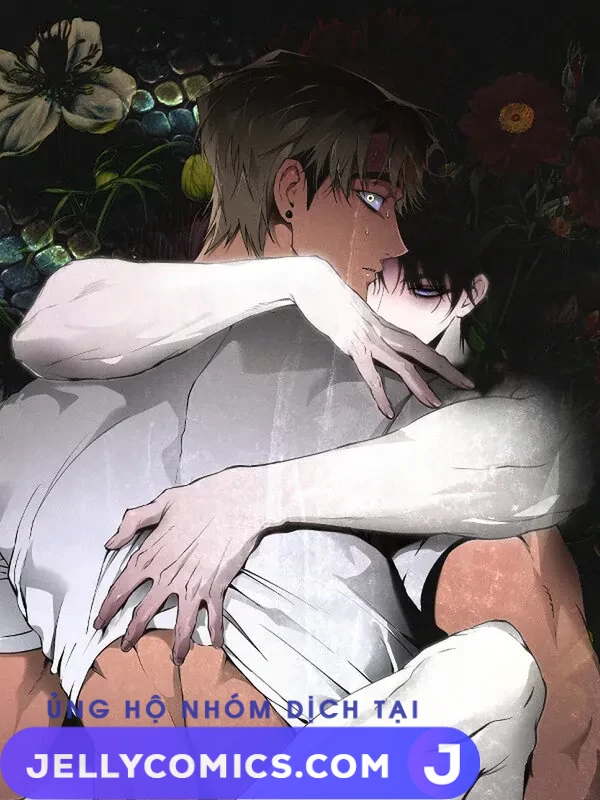
Die In My Arms – official coverDie In My Arms – Main Plot and Review
Unpack the intense psychological drama of Die In My Arms. Explore Jeong-cheol's trauma, Ji Min-young's dark return, and their electrifying mature Yaoi webtoon journey.
|||
# A Deep Dive into the Twisted Embrace: Why "Die In My Arms" Is the Psychological BL Webtoon You Can't Miss
From the moment the first whispers of its premise began to circulate, the webtoon titled "**Die In My Arms**" (also known by its evocative Korean title, 내 품에서 죽어버려) promised something uniquely unsettling, yet undeniably captivating. As the Lead Comic Critic here at JellyComics, I’ve had the distinct pleasure – and at times, the distinct discomfort – of immersing myself in its unfolding narrative. This isn't just another BL manga; it's a meticulously crafted tapestry of **drama**, **horror**, and profound **psychological** depth, pushing the boundaries of the **Yaoi** genre into territories rarely explored with such raw intensity.
The digital landscape of **Webtoons** is saturated with countless stories, but only a select few manage to carve out a niche so distinct that they transcend mere entertainment to become a genuine phenomenon. "**Die In My Arms**" is undoubtedly one such title. It arrives with the weight of expectation, delivering a narrative that is as beautiful as it is brutal, as tender as it is terrifying. The anticipation surrounding each new chapter, especially with the ongoing translation efforts that JellyComics proudly supports, is palpable within the global BL community.
It’s more than just a story of rekindled romance; it's an archaeological dig into the ruins of a past relationship, excavating trauma, buried desires, and the very definition of love itself. This is not a fluffy, lighthearted read. Instead, it offers a challenging, thought-provoking, and ultimately, deeply rewarding experience for **mature** audiences. Readers are drawn into a vortex of emotions, forced to confront the darkest aspects of human connection, making "**Die In My Arms**" a pivotal entry in the modern **Adult** webtoon canon.
The sheer audacity of its premise, juxtaposing profound love with overwhelming fear, immediately sets it apart. It’s a narrative tightrope walk, executed with a masterful hand, ensuring that readers are constantly on edge, questioning loyalties, motives, and the very sanity of its central characters. This profound engagement is what elevates "**Die In My Arms**" from a simple **BL manga** to a significant cultural touchstone within its genre. Its exploration of complex relationships, particularly those steeped in past pain, resonates deeply, offering a cathartic yet unsettling reflection on the enduring power of connection, however toxic it may seem. It challenges preconceived notions of what a **Yaoi** story can be, proving that the genre is capable of delivering narratives rich with nuance, moral ambiguity, and genuinely chilling suspense. Every panel, every dialogue bubble contributes to an overarching sense of dread and fascination, pulling the reader deeper into its meticulously constructed psychological labyrinth.
## In-Depth Plot Analysis & World Building of Die In My Arms
The narrative engine of "**Die In My Arms**" is fueled by the explosive collision of past and present, a relentless current pulling its protagonist, Jeong-cheol, back into the very tempest he desperately fled. We are introduced to Jeong-cheol at a nadir in his life. He is a man burdened by the recent wreckage of a 10-year marriage, now wearing the bitter label of "divorcé." This status is not just a personal failure but a public marker of his perceived inadequacy, a stark testament to a life where, as he himself laments, "nothing goes right." His identity is wrapped in self-deprecating terms: "a gambler," "a failure." These aren't just labels; they're the scars of a protracted struggle, reflecting deep-seated issues that predate even his marriage's collapse.
His divorce is merely the latest symptom of a deeper, more pervasive malaise, an underlying instability that seems to follow him like a shadow. His gambling habits, for instance, are rarely just about the thrill of the win; they are often a desperate attempt to either escape reality, reclaim a sense of control, or perhaps even a subconscious act of self-sabotage, a tragic echo of past traumas. This establishes Jeong-cheol not merely as a victim of circumstance but as a complex individual, flawed and relatable in his despair. His current predicament is portrayed with unflinching realism, painting a picture of a man utterly exhausted by life's relentless barrage of disappointments.
Yet, before he can fully process this recent heartbreak, before he can even begin to mourn the decade-long relationship that has dissolved, the catalyst of his deeper misfortunes resurfaces. It is an event, or rather, a person, that sends shockwaves through his already fractured existence. Ji Min-young, his former lover, re-enters his life. This isn't a gentle reunion or a chance encounter; it is presented as a return of an inexorable force, a reckoning long delayed. Min-young is described with a chilling dichotomy: a man who embodies both "fear and terror," yet simultaneously "the one he desperately loved." This fundamental contradiction lies at the very heart of the **psychological drama** that is "**Die In My Arms**."
The brief yet potent description hints at a past fraught with intense emotions, where love was intertwined with an almost debilitating dread. Min-young was "the man who forced Jeong-cheol to run away his entire life." This single phrase speaks volumes, suggesting a relationship so powerful, so suffocating, that Jeong-cheol's only recourse was flight. This wasn't a casual breakup; it was an escape, a desperate bid for freedom and self-preservation from an overwhelming presence. The nature of this coercion, the specific actions that instilled such fear, and the emotional shackles that bound Jeong-cheol for so long, are left tantalizingly vague in the initial summary, creating an immediate hook for the reader. This ambiguity serves to deepen the mystery and heighten the suspense, drawing us further into the dark undercurrents of their shared history.
The world of "**Die In My Arms**" isn't explicitly defined by fantastical elements or intricate political systems, but rather by its intensely realistic and often suffocating societal pressures. It is a modern Korean setting, implied through character names and narrative style, where appearances and success hold significant weight. Jeong-cheol’s failure as a husband, a gambler, and seemingly in life, is not just a personal burden but a public shame. This societal backdrop amplifies his internal turmoil, making his encounter with Min-young even more devastating. The lack of a strong support system, or his inability to lean on one, further isolates him, making him vulnerable to Min-young's re-entry.
The narrative structure itself is a masterclass in tension building. The return of Min-young is not merely a plot device; it's an existential threat. His chilling declaration, "I'll be with you until the moment you die, Cheol," is not a romantic vow but a sinister promise, a definitive statement of ownership and ultimate control. This line encapsulates the essence of the "horror" aspect of "**Die In My Arms**," transforming what might otherwise be a simple reunion into a psychological thriller. It implies an inescapable bond, a fated connection that Jeong-cheol has tried to deny but cannot break. It suggests a possessiveness that verges on obsession, hinting at the depths of Min-young’s devotion—or perhaps, his delusion.
The plot, therefore, is set to unravel on multiple fronts. Firstly, the immediate confrontation between Jeong-cheol and Min-young, as Jeong-cheol grapples with the resurgence of his deepest fear and most complicated love. Secondly, the exploration of their shared past, slowly revealing the events that led to Jeong-cheol’s escape and his subsequent life of misfortune. This intricate dance between flashback and present-day conflict is crucial for understanding the characters' motivations and the gravity of their current situation. Each revelation from their history will serve to illuminate the intensity of their present interaction, adding layers of meaning to every glance, every touch, every spoken word.
The ongoing translation of 20 chapters and more underscores the depth of this narrative. Each chapter peels back a layer, revealing more about their intertwined destinies. We witness not just events, but the profound psychological impact these events have on Jeong-cheol, how his past choices—or lack thereof—have shaped his present despair. The story delves into themes of trauma, co-dependency, obsession, and the thin line between love and destruction. It asks profound questions about agency: can Jeong-cheol truly escape Min-young, or is he fated to be consumed by this dark, alluring force? This is where the true **drama** and **psychological** elements of "**Die In My Arms**" truly shine, inviting readers to not just observe but to deeply ponder the nature of such a profound and destructive connection. The world-building, in this context, is less about geography and more about the internal landscapes of its characters, scarred and reformed by the tumultuous relationship at its core.
## Comprehensive Character Study
The heart of any compelling **psychological drama** lies in its characters, and "**Die In My Arms**" excels in crafting individuals who are profoundly complex, deeply flawed, and utterly captivating. The dynamic between Jeong-cheol and Ji Min-young is less a simple love story and more a study in human vulnerability, obsession, and the enduring scars of past trauma.
### Protagonist Analysis: Jeong-cheol
Jeong-cheol is introduced as a man in utter disarray, a self-proclaimed "gambler" and "failure" reeling from the collapse of a decade-long marriage. This initial portrayal sets the stage for a protagonist burdened by self-loathing and a pervasive sense of inadequacy. His divorce is not merely an unfortunate event but a confirmation of his deepest fears about himself: that he is incapable of sustained happiness or stability. The adjective "divorcé" isn't just a marital status; for Jeong-cheol, it's a scarlet letter, a public declaration of his perceived personal failing.
His psyche is a labyrinth of unresolved trauma. The synopsis explicitly states Min-young "forced Jeong-cheol to run away his entire life." This isn't a minor incident; it's a foundational trauma that has shaped his identity, choices, and emotional landscape. The flight suggests a deeply ingrained fear, a sense of being perpetually hunted or controlled. This fear likely manifests as anxiety, avoidance behaviors, and perhaps even a passive resignation to misfortune. His gambling habits could be interpreted as a coping mechanism, a desperate attempt to feel *something* other than the dull ache of despair, or a subconscious mirroring of the chaotic uncertainty that Min-young brought into his life. He gambles with money, but also, it seems, with his very future.
The internal conflict within Jeong-cheol is immense. He "desperately loved" Min-young, yet also experienced "fear and terror" at his hands. This emotional dissonance is agonizing. How does one reconcile such opposing forces within the heart? This conflict fuels his narrative arc. His growth arc will hinge on whether he can confront this duality, not just in Min-young, but within himself. Does he break free from Min-young’s grasp, thereby reclaiming his autonomy and rewriting his own narrative of failure? Or does he succumb to the intoxicating, dangerous allure of their past, finding a perverse solace in the familiar pain and intense connection? His journey promises to be one of profound self-discovery, forced upon him by the very person he spent a lifetime trying to escape. His character embodies the profound question of whether one can truly escape their past, or if certain bonds are simply too strong, too deeply etched into the soul, to ever be severed entirely. This is the essence of his **psychological** torment and potential for growth.
### Antagonist/Side Character Analysis: Ji Min-young
Ji Min-young is not a straightforward villain; he is a force of nature, a living embodiment of Jeong-cheol's deepest desires and most primal fears. His return isn't just a plot device; it's the re-emergence of an unavoidable destiny. The chilling declaration, "I'll be with you until the moment you die, Cheol," immediately establishes his character as one defined by an intense, almost predatory possessiveness. This is not the gentle, romantic devotion often seen in standard **Yaoi** stories; this is an obsession, a claim of ownership that defies societal norms and personal boundaries.
Min-young's motivations are shrouded in a captivating darkness. Is his return driven by a genuine, albeit twisted, love? A desire for revenge? A need for control? Or perhaps, a profound loneliness that only Jeong-cheol can fill, regardless of the cost to Jeong-cheol's well-being? His ability to inspire both "fear and terror" and "desperate love" suggests a charismatic, manipulative individual who understands Jeong-cheol on a fundamental level, exploiting his vulnerabilities while simultaneously offering a perverse sense of belonging. He represents the ultimate catalyst for Jeong-cheol's narrative, forcing him to confront the very traumas he has tried to bury.
While the synopsis focuses primarily on the two leads, the presence of Jeong-cheol's ex-wife and the context of his 10-year marriage implies other side characters. The ex-wife, though unseen, serves as a significant backdrop, representing Jeong-cheol's attempt at a "normal" life, a stark contrast to the tumultuous past with Min-young. Her presence, even in absence, highlights Jeong-cheol's longing for stability and conventional happiness, making Min-young's re-entry all the more disruptive. Other peripheral characters, such as colleagues, friends, or family, would further flesh out Jeong-cheol’s current isolated state, emphasizing how profoundly Min-young’s return impacts his entire social fabric. Their reactions, whether of concern, judgment, or indifference, would serve to reflect and magnify the internal and external pressures Jeong-cheol faces, painting a more complete picture of the "world" he inhabits.
### Relationship Dynamics (Chemistry): Jeong-cheol and Ji Min-young
The relationship between Jeong-cheol and Ji Min-young is the electrifying, volatile core of "**Die In My Arms**." It is a study in destructive co-dependency, trauma bonding, and the intoxicating pull of a deeply flawed, yet intensely passionate connection. Their "chemistry" isn't one of gentle affection but of overwhelming magnetic force, a gravitational pull that Jeong-cheol has tried to escape but finds himself inexorably drawn back to. This isn't just a simple **BL manga** romance; it's a masterclass in portraying a love so consuming it verges on the terrifying, making it a truly **mature** and **adult** narrative.
The power dynamic is overtly skewed. Min-young holds the reins, evidenced by Jeong-cheol's history of "running away" and Min-young’s chilling promise of ultimate control. This imbalance creates a constant tension, a sense of foreboding that permeates every interaction. Yet, Jeong-cheol's "desperate love" for Min-young suggests that he is not merely a victim; there is a part of him that yearns for this connection, however painful or dangerous it may be. This creates a deeply uncomfortable, yet fascinating, psychological dance.
Their interactions are likely a blend of emotional manipulation, tender moments twisted by underlying threats, and intense physical intimacy that blurs the lines between desire and coercion. The "smut" inherent in many **Yaoi** and **BL manga** will likely be explored here with a raw honesty, reflecting the complex power play and emotional fragility of their bond. It won't be purely erotic; it will be laden with subtext, fear, longing, and the profound impact of their shared, traumatic history. Every touch, every kiss, every intimate moment will be charged with their past, present, and the ominous future Min-young has so starkly declared. This profound and complex portrayal of their relationship ensures that "**Die In My Arms**" delivers a rich, unsettling, and unforgettable **drama**.
The narrative of "**Die In My Arms**" is not just about the external actions these characters perform but about the internal landscapes they navigate. It’s about Jeong-cheol’s struggle for self-preservation against Min-young’s relentless pursuit, a pursuit that blurs the lines between love and possession. Their chemistry is a psychological battlefield, compelling readers to question the nature of consent, love, and what it truly means to be consumed by another person. The story, therefore, transcends typical genre tropes, offering a profound and often disturbing exploration of human connection that is as deeply unsettling as it is utterly mesmerizing.
## Artistic Review: The Visual Mastery of Die In My Arms
The visual presentation of "**Die In My Arms**" (내 품에서 죽어버려) is not merely a supporting element; it is an intrinsic component of its powerful storytelling, a masterful exercise in using art to heighten **drama**, convey **psychological** depth, and inject elements of **horror** into its **Yaoi** narrative. The art style itself is a testament to the sophistication of modern **Webtoons**, showcasing a detailed and expressive approach that brings the characters' internal turmoil to vivid, often uncomfortable, life.
Let's begin with the **line work**. The artists employ a dynamic range of line weights. For moments of intense emotion or pivotal actions, lines often become sharper, more pronounced, almost cutting through the panel to emphasize the gravity of the scene. In contrast, softer, more delicate lines are used for moments of vulnerability, reflection, or the subtle nuances of a character's internal state. This thoughtful variation prevents the art from becoming monotonous, instead creating a visual rhythm that guides the reader’s eye and enhances the narrative flow. Facial expressions, in particular, benefit from this precision; the subtle tremor of a lip, the tension around the eyes, or the clenching of a jaw are rendered with such meticulous detail that Jeong-cheol's anguish and Min-young's enigmatic intensity are palpable on the page. Each strand of hair, each crease in clothing is delineated, contributing to a sense of realism and grounding the often-fantastical emotions in a tangible world.
**Shading** is where the artistic mastery truly shines in creating atmosphere. The comic often utilizes a combination of soft, gradient shading and stark, almost cell-shaded contrasts. This duality allows for incredible depth and mood shifts. Gradual shading is expertly employed to define musculature, facial contours, and the gentle fall of fabric, giving characters a three-dimensional presence. However, it's in the application of dramatic lighting and shadows that the **horror** and **psychological** aspects are magnified. Harsh, deep shadows are frequently cast across characters' faces, obscuring parts of their expressions, hinting at hidden motives or concealed pain. Light sources are often used symbolically: a single, strong light highlighting one character while the other remains shrouded in mystery, or a dim, moody light reflecting the oppressive atmosphere of a particular scene. This strategic use of chiaroscuro effectively builds tension, emphasizes power dynamics, and visually communicates the internal battles being fought, making the overall experience of reading "**Die In My Arms**" incredibly immersive and visually rich. The interplay of light and shadow isn’t just aesthetic; it's a narrative tool, hinting at secrets, dangers, and the conflicted nature of the characters' desires.
The **color palette** is another crucial element in establishing the mood. While some **Webtoons** lean into bright, vibrant colors, "**Die In My Arms**" seems to favor a more subdued, often desaturated palette, punctuated by deliberate splashes of color for emphasis. Grays, blues, and muted greens might dominate, evoking a sense of melancholy, dread, or a world devoid of joy for Jeong-cheol. However, during moments of intense emotion or intimacy, specific colors might be heightened – perhaps a deep crimson to symbolize passion or danger, or a striking violet to represent a twisted desire. Flashback sequences might employ a sepia tone or a noticeably different hue to visually distinguish past events from the present, reinforcing the narrative's layered structure. This careful control over color creates a cohesive visual experience that directly correlates with the story's emotional trajectory, pulling readers deeper into its **drama**.
**Panel flow and composition** are exceptionally well-executed, contributing significantly to the pacing and emotional impact. The artists understand the rhythm of a **Webtoon**, utilizing long, vertical panels for dramatic reveals or moments of lingering tension, allowing the reader's eye to slowly descend, building anticipation. Close-ups are deployed strategically, focusing on a character’s eyes to convey unspoken words, a trembling hand, or a fleeting expression of pain or desire. Wide shots establish settings, often emphasizing Jeong-cheol’s isolation or the oppressive atmosphere of a location. Full-page spreads are reserved for monumental moments, moments of high **drama** or intense **smut**, allowing the art to breathe and truly engulf the reader. The transitions between panels are fluid, creating a cinematic quality that makes the story feel like a dynamic, unfolding experience rather than a series of static images. This thoughtful arrangement ensures that the visual narrative is as compelling as the written one, guiding the reader through the emotional labyrinth of "**Die In My Arms**."
Finally, **character design** and their subtle mannerisms are meticulously crafted. Jeong-cheol's design often conveys his weariness and vulnerability, perhaps with slumped shoulders or eyes that carry a perpetual sadness. Min-young, on the other hand, might possess a more imposing or captivating aura, even in repose, with piercing eyes or a smirk that hints at hidden depths. Body language is incredibly expressive, from the tentative gestures of Jeong-cheol to the confident, almost predatory stances of Min-young. Even the environments are detailed, with realistic backdrops that ground the story in a recognizable world, making the psychological intrusions feel all the more jarring. Every visual choice in "**Die In My Arms**" serves the overarching goal of telling a complex, **mature**, and emotionally charged story, solidifying its place as a visually stunning and narratively profound **BL manga** and **Webtoon**.
## Why Die In My Arms Stands Out: A Comparative Analysis
In the burgeoning landscape of **Yaoi** and **BL manga**, particularly within the **Webtoons** format, "**Die In My Arms**" carves out a remarkably distinct identity. While the genre often gravitates towards idealized romance or lighter comedic fare, this series dives headfirst into the murky waters of **psychological drama**, **horror**, and **adult** themes with an unflinching honesty that few others dare to tackle. It elevates the genre beyond mere romance, positioning itself as a profound exploration of human connection, trauma, and obsession.
Many popular **BL manga** explore themes of unrequited love, class differences, or past connections. Consider titles like *Given* or *Cherry Blossoms After Winter*, which, while excellent, often lean into more heartwarming or gentle explorations of relationships. "**Die In My Arms**," by contrast, shares a thematic kinship with darker, more intense **Webtoons** such as *Killing Stalking* or *Painter of the Night*. Like *Killing Stalking*, it delves into the deeply disturbing psychology of obsession and control, where the lines between love and captivity are terrifyingly blurred. However, where *Killing Stalking* leans heavily into overt physical horror and violence, "**Die In My Arms**" seems to prioritize the *internal* torment, the psychological warfare waged within Jeong-cheol’s mind, making the horror more insidious and pervasive. The fear isn't just for Jeong-cheol's body, but for his very soul and sanity.
Compared to *Painter of the Night*, which explores a master-subordinate dynamic often tinged with cruelty and desire in a historical setting, "**Die In My Arms**" brings that power imbalance into a starkly modern, realistic context. It highlights how past trauma can linger and dictate future interactions, creating a suffocating sense of inescapable fate. The portrayal of Jeong-cheol's vulnerability and Min-young's relentless pursuit feels less like a historical fantasy and more like a chillingly plausible scenario, making the **drama** resonate on a deeply unsettling level. It takes the familiar tropes of a dominant/submissive dynamic and infuses them with a raw, almost visceral realism, pushing the boundaries of what **adult Yaoi** can portray.
What truly makes "**Die In My Arms**" stand out is its masterful blending of genres. It's not just a **Yaoi**; it’s a **psychological thriller** draped in the clothes of a **BL manga**. The elements of **horror** aren't jump scares but the creeping dread of an inescapable past and an overwhelming presence. The **drama** isn't simply about relationship quarrels but about the lifelong impact of trauma and the struggle for personal agency. The **smut** (implied or explicit in its **mature** content) is interwoven with power dynamics and emotional vulnerability, never feeling gratuitous but rather serving to underscore the complex, often toxic, nature of their bond.
The raw depiction of Jeong-cheol's life as a "gambler" and "failure" adds another layer of grit and realism that distinguishes it from more escapist **Webtoons**. This grounded approach makes the fantastical intensity of Min-young's return even more impactful. It's a story that challenges its readers, forcing them to confront uncomfortable truths about love, dependency, and the shadows that haunt our past. This bold narrative choice firmly establishes "**Die In My Arms**" as a groundbreaking and essential read for those seeking a **BL manga** that dares to explore the darker, more profound aspects of human connection, pushing the genre into unprecedented depths of emotional and psychological realism. Its intricate character studies, coupled with its refusal to shy away from the grittier aspects of life and love, solidify its position as a standout title within the ever-expanding world of **Webtoons** and **BL manga**.
## FAQ: Everything You Need to Know about Die In My Arms
### H3: What is "Die In My Arms" about, and what genres does it encompass?
"**Die In My Arms**" (내 품에서 죽어버려) is an intense **psychological drama** and **Yaoi webtoon** that delves into the tumultuous reunion of former lovers Jeong-cheol and Ji Min-young. Jeong-cheol, a divorcé and self-proclaimed failure, finds his life thrown into chaos with the return of Min-young, a man he both desperately loved and profoundly feared, who was the root of many of his past misfortunes. The story skillfully blends elements of **drama**, **horror**, **smut**, and deep **psychological** exploration. It's a **mature** and **adult** narrative that challenges conventional romantic tropes, focusing instead on themes of obsession, trauma, and toxic co-dependency. Readers can expect a gripping and often unsettling experience, delving into the darker side of human relationships within the **BL manga** format.
### H3: Is "Die In My Arms" suitable for all audiences?
No, "**Die In My Arms**" is explicitly categorized as a **mature** and **adult** webtoon. It contains graphic depictions of **smut**, intense **psychological drama**, and themes that border on **horror**, including elements of manipulation, obsession, and potentially non-consensual situations (implied by the premise of "fear and terror"). The narrative delves into complex and often disturbing aspects of human relationships and trauma, making it unsuitable for younger readers or those sensitive to dark and intense content. It is recommended for readers who appreciate deeply nuanced, challenging, and often uncomfortable explorations of **Yaoi** and **BL manga** themes.
### H3: How does "Die In My Arms" explore the protagonist's trauma and growth?
Jeong-cheol's trauma is central to the narrative of "**Die In My Arms**." His past relationship with Ji Min-young was so impactful that it "forced Jeong-cheol to run away his entire life," suggesting deep psychological scars. His current state as a "gambler" and "failure" post-divorce is likely a direct manifestation of this unresolved trauma and his inability to cope. The story promises to explore his psyche in detail as he is forced to confront Min-young and their shared past. His growth arc will involve grappling with his internal conflicts – his love versus fear for Min-young, and his desire for a stable life versus his destructive tendencies. It's a journey of potential healing, confrontation, or perhaps succumbing to the overwhelming force of his past, making it a profound **psychological** study within the **drama** of the webtoon.
### H3: What makes the art style of "Die In My Arms" unique or noteworthy?
The art style of "**Die In My Arms**" is a key component of its immersive and intense storytelling. It is characterized by highly detailed **line work** that meticulously captures subtle facial expressions and body language, conveying deep emotional states. The use of **shading** is particularly noteworthy, employing both soft gradients for realism and stark chiaroscuro effects to build atmosphere, tension, and a sense of **horror**. Strategic lighting and shadows enhance the **psychological drama**, often obscuring or highlighting aspects of characters to suggest hidden motives or vulnerabilities. The color palette tends to be subdued, punctuated by intentional splashes of color for emphasis, contributing to the overall dark and serious tone. **Panel flow** is expertly managed, utilizing dynamic compositions, close-ups, and long vertical panels to control pacing and amplify dramatic impact, making it a visually stunning example of **Webtoons** artistry in the **BL manga** genre.
### H3: Where can I read "Die In My Arms" and are new chapters being released?
You can read "**Die In My Arms**" (내 품에서 죽어버려) at JellyComics, where we are actively providing high-quality translations. As of the current information, there are 20 translated chapters available for readers to dive into. Furthermore, the translation of additional chapters is actively in progress, ensuring that fans can continue to follow the gripping **drama** and intense **psychological** narrative as it unfolds. We encourage readers to stay tuned to JellyComics for regular updates on new chapter releases of this compelling **adult Yaoi webtoon**. Don't miss out on this captivating **BL manga** experience!
## Final Verdict: Why You Must Read It at JellyComics
As the Lead Comic Critic at JellyComics, I have witnessed countless stories come and go, but very few leave an indelible mark quite like "**Die In My Arms**." This isn't just a recommendation; it's a fervent urging for anyone who appreciates a truly deep, challenging, and utterly consuming narrative. If you've been yearning for a **Yaoi** or **BL manga** that dares to venture beyond the conventional, that fearlessly explores the darkest recesses of the human heart, and delivers a **psychological drama** with the intensity of a top-tier thriller, then your search ends here.
"**Die In My Arms**" is a masterpiece of storytelling, meticulously crafted to evoke a powerful range of emotions, from profound sadness and creeping dread to an unsettling fascination with its complex characters. Jeong-cheol's tormented existence, his internal battle between love and terror, is portrayed with such raw honesty that it resonates long after the page is turned. Ji Min-young, the enigmatic force of nature, is not merely an antagonist but a catalyst for an unavoidable reckoning, his every action charged with a terrifying blend of passion and possessiveness. Their dynamic is a brutal, beautiful dance of power and vulnerability, defining what it means to be consumed by another.
The artistic execution is nothing short of brilliant. Every line, every shadow, every carefully chosen color contributes to an atmosphere so palpable it feels as though the emotional weight of the story is pressing down on you. The microscopic details in facial expressions, the masterful panel flow, and the expert use of light and shadow all combine to create a visual experience that is as impactful as the narrative itself. This isn't just art; it's emotional cartography, guiding you through the intricate landscapes of the characters' minds.
At JellyComics, we pride ourselves on bringing you the most impactful and compelling **Webtoons**, and "**Die In My Arms**" stands as a shining example of the genre's potential. It's a **mature** and **adult** story that demands your full attention, a **psychological horror** that will linger in your thoughts, and a **drama** so rich with nuance and complexity that it defies easy categorization. Its exploration of trauma, obsession, and the thin line between love and destruction is both unsettling and undeniably gripping.
With 20 translated chapters already available and more actively in progress, now is the perfect time to immerse yourself in this unforgettable journey. Do not shy away from its darker themes; embrace the challenge, for it is within these depths that "**Die In My Arms**" truly shines. Come to JellyComics, step into the intense world of 내 품에서 죽어버려, and discover why this **Yaoi webtoon** is a profound, must-read experience that will **Die In My Arms** never be forgotten.
Frequently Asked Questions about Die In My Arms
What genre is Die In My Arms? Generally, Die In My Arms falls under the various genres category, featuring a storyline focused on character emotions and engaging plot twists.
Why should you read Die In My Arms? If you enjoy stories with emotional depth, well-developed characters, and unexpected turns, Die In My Arms is definitely a great choice.
Who is Die In My Arms suitable for? Depending on the specific arc, Die In My Arms can be suitable for both newcomers and long-time fans of this genre.
If you love Die In My Arms, don’t forget to check out similar series at Truyện tranh 18+.
To explore more reviews and perspectives on Die In My Arms, you can refer to .
Jelly Comics (JC) là trang web truyện tranh hàng đầu dành cho những người đam mê truyện tranh. Với một bộ sưu tập đa dạng và phong phú, trang web đem đến cho bạn những giờ phút giải trí tuyệt vời và một trải nghiệm truyện tranh hoàn toàn miễn phí. Nếu bạn là một fan hâm mộ truyện tranh, hãy đến với JC để khám phá thế giới truyện tranh không giới hạn!
Hãy truy cập vào Jelly Comics ngay hôm nay để khám phá thế giới truyện tranh đa dạng và thú vị. Là điểm đến lý tưởng cho những bạn đam mê truyện tranh và muốn khám phá thế giới đa dạng và thú vị của truyện tranh miễn phí. Thế giới truyện tranh đang chờ bạn khám phá!

![[Não Team] Huyệt Đồn (Lỗ Heo)](https://s1.truyenvi.com/Library/TruyenKenh2/-nao-team-huyet-don-lo-heo-/22576-nao-team-huyet-don-lo-heo-22576.jpg "[Não Team] Huyệt Đồn (Lỗ Heo)")