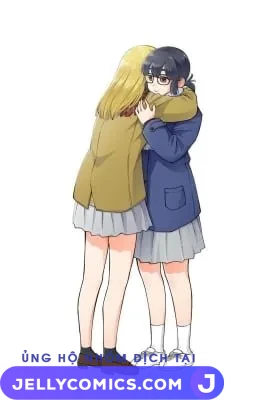

Kira Kira no Natsu - Kira Kira no Natsu 3
31-01-2026 20:28:59 GMT+7 01-02-2026 12:35:29 GMT+7Kira Kira no Natsu by author Asuka Sasada is a manga series that has garnered significant attention. The following article provides a detailed overview of the plot, setting, and why Kira Kira no Natsu is worth adding to your reading list.
Kira Kira no Natsu – Main Plot and Review
Unravel the profound emotional landscape of *Kira Kira no Natsu*, a Girls Love manga masterpiece, with our deep dive review.
|||
# Unpacking the Radiance: A JellyComics Deep Dive into the Luminous Depths of *Kira Kira no Natsu*
## Introduction: The Phenomenon of *Kira Kira no Natsu*
In the ever-expanding universe of Girls Love (GL) manga, certain titles emerge from the vibrant constellation, shimmering with a unique brilliance that captivates and resonates deeply with readers. *Kira Kira no Natsu*, a masterful creation by Asuka Sasada, stands as one such stellar phenomenon. Its title, translating to "Sparkling Summer," offers a tantalizing glimpse into the emotional effervescence and profound personal growth that defines its narrative core. This isn't merely a fleeting summer romance; it's an intricate tapestry woven with threads of longing, self-discovery, and the transformative power of genuine connection, all set against a backdrop that feels both intimately personal and universally relatable.
From its initial chapters, *Kira Kira no Natsu* announced its presence as a work intent on pushing the boundaries of typical GL narratives, delving into psychological complexities and character motivations with an almost unprecedented level of detail and empathy. It quickly garnered critical acclaim for its nuanced portrayal of budding affection, the delicate dance of vulnerability, and the courage it takes to embrace one's authentic self. The series manages to evoke the ephemeral beauty of youth and first love while simultaneously grounding its story in the tangible struggles of its characters, making their triumphs and tribulations feel incredibly real.
The manga, often referred to affectionately by its Japanese transliteration, *Kirakira no Natsu*, has cultivated a passionate fanbase across various demographics, transcending the typical confines of the GL genre. Its appeal lies not just in the romantic development between its two central female protagonists, but in its meticulous exploration of their individual journeys. Readers are drawn to the authenticity of their struggles, the gradual unfolding of their personalities, and the undeniable chemistry that blossoms between them, making every page a testament to Asuka Sasada's storytelling prowess.
This deep dive review from JellyComics aims to dissect every facet of *Kira Kira no Natsu*, from its intricate plot mechanics and world-building to the microscopic analysis of its character psychologies and the breathtaking artistry that brings it all to life. We will explore how Sasada deftly utilizes the "summer" motif as more than just a setting, but as a symbolic crucible for change and self-realization. We’ll delve into why this specific Girls Love manga has left such an indelible mark on the genre, comparing its unique strengths to other giants and uncovering the subtle genius woven into its very fabric. Prepare to explore the sparkling heart of *Kira Kira no Natsu*, a manga that truly embodies its radiant title.
## In-Depth Plot Analysis & World Building of *Kira Kira no Natsu*
*Kira Kira no Natsu* embarks on its narrative journey with a seemingly innocuous premise, only to progressively unfurl a story rich in emotional depth and psychological nuance. The plot centers around Haruna, a high school student grappling with an unarticulated sense of loss and a quiet melancholy that permeates her everyday existence. Her life, for all intents and purposes, feels muted, almost grayscale, a stark contrast to the vivid potential suggested by the manga's title. This initial state of quiescent sadness isn't born of a grand tragedy, but rather a slow, creeping erosion of self-worth following a past, deeply personal disappointment related to a childhood dream, a dream that she had meticulously nurtured before it silently withered. This lingering internal trauma, never explicitly detailed in a single dramatic flashback but rather hinted at through her introverted demeanor and a subtle flinching from vibrant experiences, forms the bedrock of her character.
The narrative truly begins to sparkle with the introduction of Aki, a transfer student who bursts into Haruna’s subdued world like a splash of vibrant watercolor. Aki is everything Haruna is not: effervescent, outwardly confident, and possessing a magnetic charisma that effortlessly draws others to her. Yet, beneath Aki’s bright exterior lies her own complex tapestry of experiences, a quiet determination masked by a seemingly carefree attitude. Her arrival disrupts Haruna's carefully constructed shell of emotional detachment, forcing her to confront the emotional voids she's unconsciously carried. The initial interactions between Haruna and Aki are characterized by a delicate push-and-pull, a tentative curiosity from Haruna met with Aki’s unwavering, almost gravitational pull.
The setting of *Kira Kira no Natsu* is crucial to its thematic resonance. The story unfolds primarily during the sweltering, cicada-filled Japanese summer, an iconic period often associated with youthful nostalgia, freedom, and transient but intense experiences. Sasada expertly leverages this quintessential summer backdrop, not just as a seasonal setting, but as a dynamic character in itself, mirroring the internal heat and burgeoning emotions of the protagonists. From the shimmering heat haze over asphalt roads to the cool respite of a convenience store’s air conditioning, every detail contributes to an atmosphere thick with possibility. The small, close-knit town, with its quaint local festivals and hidden spots, allows for intimate encounters and provides a microcosm where personal stories can truly blossom without the overwhelming distractions of a metropolis.
A central narrative thread involves a local summer festival, a recurring motif that acts as a temporal marker and an emotional touchstone throughout the series. Initially, Haruna views such communal events with a detached indifference, remnants of her past disappointments making her wary of shared joy. However, Aki’s infectious enthusiasm and genuine desire to experience these traditions fully begin to chip away at Haruna’s cynicism. Their joint ventures into exploring the festival, from sharing a shaved ice to watching fireworks illuminate the night sky, become significant milestones. These moments are meticulously crafted, not just as plot points, but as sensory experiences for the reader, building a vivid world where every shared glance and whispered word holds weight.
The plot of *Kira Kira no Natsu* also skillfully incorporates elements of everyday life, transforming mundane activities into opportunities for profound connection and revelation. A shared commute on bicycles, an afternoon spent studying in the library, or even a simple walk home from school are imbued with emotional significance. These ordinary moments are where the characters truly reveal themselves, their vulnerabilities peeking through the cracks of their carefully constructed personas. Sasada’s genius lies in making these subtle interactions resonate deeply, fostering a sense of authenticity that is often missing in more overtly dramatic narratives.
As the summer progresses, the central conflict gradually shifts from Haruna’s internal struggle with her past trauma to the unspoken, yet palpable, romantic tension between her and Aki. The manga does not rush this development; instead, it allows their feelings to simmer and evolve organically, mirroring the slow, deliberate unfolding of genuine affection. Misunderstandings arise, not from contrived external conflicts, but from their own insecurities and the delicate process of learning to trust another person with their most vulnerable emotions. This authentic approach to character-driven conflict is a hallmark of *Kira Kira no Natsu*.
For instance, an episode involving a forgotten "good luck charm" from Haruna’s past—a small, handcrafted item related to her lost dream—becomes a significant catalyst. Its rediscovery, facilitated inadvertently by Aki, forces Haruna to confront the unresolved pain she has long suppressed. Aki's empathetic response, her quiet presence rather than dramatic pronouncements, becomes a crucial turning point. It's in these moments of shared vulnerability that the emotional core of *Kira Kira no Natsu* truly shines, laying the groundwork for a profound bond that transcends mere friendship. The world-building, while not fantastical, is rich in its attention to the emotional landscape of adolescence, making the reader feel deeply invested in every sunny day, every quiet evening, and every fleeting moment that defines this sparkling summer. The way *Kira Kira no Natsu* builds its atmosphere and layers its emotional narrative is nothing short of masterful.
## Comprehensive Character Study
The heart of any compelling narrative beats strongest in its characters, and *Kira Kira no Natsu* is no exception. Asuka Sasada demonstrates an exceptional talent for crafting deeply human, multi-layered individuals whose internal landscapes are as rich and intricate as the external world they inhabit. The profound journey of self-discovery and connection undertaken by the protagonists forms the emotional bedrock of this Girls Love masterpiece.
### Protagonist Analysis: Haruna
Haruna, the primary lens through which readers experience *Kira Kira no Natsu*, is a study in quiet melancholy and understated resilience. Her initial portrayal is that of an introverted, somewhat detached high school student, seemingly content to navigate life on the periphery. However, this placid surface belies a turbulent inner world scarred by past disappointment and a profound sense of self-doubt. The "trauma" isn't a singular, explosive event, but rather the cumulative effect of a dream deferred, a passion that once burned brightly for something – perhaps art, music, or competitive sports – only to be extinguished by external judgment or internal fear of failure. This left her with a deep-seated fear of engaging fully with life, fearing that any new endeavor or emotional investment would inevitably lead to similar heartbreak.
Her psyche is characterized by a tendency towards self-isolation, not out of malice, but as a protective mechanism. She often observes rather than participates, analyzing situations from a distance, her thoughts running in intricate, often self-deprecating loops. This internal monologue is subtly conveyed through Sasada's art, often through her downcast eyes, the way her shoulders slump slightly, or her hesitation before speaking. Her growth arc is meticulously charted: initially resistant to Aki’s overtures, she gradually, almost imperceptibly, begins to thaw. Each interaction with Aki, no matter how small—a shared laugh, a moment of mutual understanding, a casual touch—acts as a tiny chisel, chipping away at the emotional ice around her heart.
A key aspect of Haruna’s development is her struggle with vulnerability. She finds it incredibly difficult to articulate her feelings, fearing rejection or misunderstanding. This manifests in awkward silences, averted gazes, and an occasional retreat into her own shell. The narrative patiently guides her through this, showing her learning to trust, not just Aki, but also her own capacity for joy and connection. Her journey is about reclaiming her agency, finding the courage to invest emotionally again, and recognizing that vulnerability is not a weakness but a pathway to genuine connection. By the end of *Kira Kira no Natsu*, Haruna has transformed from a girl shrouded in the quiet hues of past regret to one who embraces the vibrant, sparkling potential of her present and future, her internal light reflecting the manga’s very title.
### Antagonist/Side Character Analysis: Aki and The Supporting Cast
While *Kira Kira no Natsu* doesn't feature a traditional antagonist in the form of a malevolent force, the primary "antagonist" is arguably Haruna's own internal struggles. However, the supporting cast, particularly Aki, serves as both catalysts and foils, enriching the narrative and facilitating the protagonists' growth.
Aki is the embodiment of the "Kira Kira" in the title – bright, energetic, and seemingly without a care. Yet, her character is far from one-dimensional. Beneath her cheerful facade lies a profound capacity for empathy and an intuitive understanding of others' hidden pains. She isn't naive; her optimism is a conscious choice, a way of engaging with the world despite her own, less-defined past experiences of loneliness or transience due to her family’s moves. Her strength lies in her unwavering belief in the good in people, and her persistent, yet gentle, efforts to draw Haruna out of her shell. Aki’s patience is a narrative marvel; she never forces Haruna, but rather creates a safe space for her to open up on her own terms. Her growth involves learning to temper her effervescence with a deeper understanding of boundaries and the nuances of individual emotional processing.
The side characters in *Kira Kira no Natsu* are not mere window dressing; they serve vital roles in expanding the world and deepening the protagonists' characterizations. There's Haruna's best friend, Mei, who provides an external perspective on Haruna’s struggles and offers a grounding, supportive presence. Mei often acts as a sounding board, her pragmatic advice contrasting with Aki's more intuitive approach, offering Haruna different avenues for processing her emotions. Then there's their senpai, Ren, a subtly observant individual who, through quiet gestures and insightful remarks, sometimes provides the necessary push or perspective for Haruna and Aki to confront their burgeoning feelings. These characters, while not central, are crucial in creating a believable social ecosystem that supports the main narrative, their interactions revealing different facets of Haruna and Aki’s personalities and providing external validation or challenges to their evolving relationship. They prevent the story from feeling insular, anchoring the protagonists within a vibrant, breathing community.
### Relationship Dynamics (Chemistry)
The chemistry between Haruna and Aki in *Kira Kira no Natsu* is a masterclass in slow-burn romance, built on mutual respect, growing understanding, and a palpable sense of emotional resonance. It’s not a love at first sight scenario, but rather a carefully cultivated connection that blossoms through shared experiences and empathetic exchanges. The initial dynamic is one of attraction born from contrast: Aki is drawn to Haruna’s quiet depth and the intriguing mystery she presents, while Haruna is captivated by Aki’s vibrancy and the warmth she exudes.
Their relationship progresses through a series of subtle yet significant moments. It begins with hesitant conversations, then shared smiles, awkward silences filled with unspoken meaning, and eventually, a comfortable intimacy that allows them to be vulnerable with each other. Sasada excels at portraying the small gestures that build profound connection: Aki’s unwavering gaze that makes Haruna feel seen for the first time, Haruna’s quiet acts of thoughtfulness that surprise Aki, the way they instinctively move closer to each other in a crowd, or the natural synchronization of their steps when walking side-by-side.
The emotional arc of their relationship is particularly compelling because it’s deeply intertwined with Haruna’s personal growth. Aki doesn't "fix" Haruna; rather, she provides the environment and the gentle encouragement for Haruna to heal herself. Conversely, Haruna's quiet strength and introspective nature offer Aki a sense of grounding and depth she might not have realized she was missing. Their chemistry lies in this symbiotic relationship, where each character helps the other to become a more complete version of themselves.
The narrative carefully navigates the complexities of first love, addressing themes of fear of commitment, misinterpreting signals, and the exhilarating terror of acknowledging one's feelings. The tension isn't manufactured; it stems from their authentic internal struggles and the delicate process of figuring out what they mean to each other. When physical contact occurs – a fleeting brush of hands, a comforting embrace – it feels earned, brimming with genuine emotion and the weight of their developing bond. This authentic, patient unfolding of their chemistry is what makes the Girls Love narrative of *Kira Kira no Natsu* so impactful and enduring, leaving readers deeply invested in every step of their journey.
## Artistic Review: The Visual Mastery of *Kira Kira no Natsu*
The visual presentation of *Kira Kira no Natsu* by Asuka Sasada is nothing short of breathtaking, elevating the narrative from a compelling story to an immersive experience. Sasada’s art style is not merely illustrative; it is an intrinsic part of the storytelling, communicating emotions, atmosphere, and character nuances with microscopic precision. Every panel, every stroke, is deliberately crafted to evoke the "Kira Kira" (sparkling) essence of the title, even in moments of quiet introspection or melancholic reflection.
Let's begin with the **line work**. Sasada employs a delicate yet confident hand. Character outlines are fluid and soft, avoiding harshness, which contributes to the overall gentle and approachable aesthetic. However, there’s a subtle variation in line weight that is masterfully utilized to convey depth and emphasis. For instance, the lines defining facial features – especially the eyes – are often slightly bolder, drawing the reader's focus to these windows of emotion. Hair strands are individually rendered with exquisite detail, creating a sense of volume and texture that makes them appear almost tangible. Clothing folds are natural, reflecting movement and the characters' postures without appearing stiff or overly stylized. This meticulous attention to detail prevents the art from ever feeling sparse, ensuring a richness that complements the narrative's depth.
**Shading** in *Kira Kira no Natsu* is where the "sparkling" truly comes to life. Sasada primarily uses screentones with incredible dexterity, but also incorporates traditional ink shading for dramatic effect. The application of screentones is not merely for texture; it's used to sculpt forms, indicate light sources, and establish mood. For instance, sun-drenched scenes are often rendered with lighter, finer dot patterns, creating a bright, airy feel. Conversely, moments of introspection or evening scenes utilize denser, darker tones to evoke a sense of quietude or poignant melancholy. The way light refracts off hair, skin, or surfaces like water is particularly noteworthy. Sasada often includes small, strategically placed white highlights – the "kirakira" – on eyes, lips, or reflective surfaces, giving a subtle luminescence that brings characters and environments to life, hinting at the inner light that Haruna eventually finds. These highlights are not just aesthetic; they are symbolic, representing moments of hope, understanding, or budding affection.
The **character designs** themselves are a testament to Sasada’s ability to imbue personality through visuals. Haruna’s design is initially characterized by softer, sometimes slightly obscured features, often with her gaze directed downward, emphasizing her introverted nature. Her hair might fall slightly over her eyes, an unconscious barrier. As she grows, her features become more defined, her eyes open wider, and her expressions are more direct and confident. Aki, on the other hand, is drawn with more open, expressive eyes from the outset, her posture often dynamic, suggesting her vibrant personality. Her hair is frequently depicted as slightly windswept, conveying her energetic spirit. The subtle evolution in Haruna’s visual presentation throughout the series acts as a powerful non-verbal narrative of her psychological growth.
**Panel flow and composition** are another area where *Kira Kira no Natsu* excels. Sasada often employs a mix of traditional grid layouts and more dynamic, overlapping panels to control pacing and emphasize key moments. Close-ups are utilized sparingly but effectively, often magnifying a character's emotional state through a detailed rendering of their eyes or the subtle quiver of their lips. Wide shots establish the summer setting beautifully, grounding the characters within their environment. The use of negative space is also artfully managed, sometimes leaving large portions of a panel stark white to convey isolation or quiet introspection, contrasting with panels that are richly detailed to suggest a vibrant, overwhelming emotion. The transition between panels feels natural and fluid, guiding the reader’s eye effortlessly through the story, mimicking the gentle rhythm of a summer day.
Even seemingly minor details, like the texture of school uniforms, the dappled light filtering through leaves, or the intricate patterns on a traditional festival kimono, are rendered with careful consideration. This microscopic attention to environmental detail not only builds a believable world but also enhances the emotional resonance of each scene. The art style of *Kira Kira no Natsu* is not just aesthetically pleasing; it is an integral narrative voice, communicating the sparkling beauty and profound emotional landscape of the story without needing a single word. It truly captures the essence of a radiant summer.
## Why *Kira Kira no Natsu* Stands Out: A Comparative Analysis
*Kira Kira no Natsu* carves out a distinct and memorable niche within the Girls Love genre, differentiating itself from its peers through its unique blend of psychological depth, artistic nuance, and a remarkably patient approach to romantic development. While the GL landscape is rich with incredible stories, *Kira Kira no Natsu* by Asuka Sasada offers a reading experience that feels both intimately familiar and refreshingly distinct.
When comparing it to genre giants like *Bloom Into You* (Yagate Kimi ni Naru), *Kira Kira no Natsu* shares a similar commitment to exploring internal emotional states and the complexities of self-discovery. However, where *Bloom Into You* delves deeply into the philosophical aspects of love and the nature of attraction, *Kira Kira no Natsu* grounds its introspection more firmly in the tangible impact of past trauma and the gradual, almost alchemical process of healing through connection. While Yuu Koito questions her ability to "fall in love," Haruna questions her worthiness of joy and the courage to pursue it. The emotional intensity in *Kira Kira no Natsu* feels less intellectual and more visceral, focused on the sensory experience of emotional awakening.
Against the backdrop of more overtly dramatic or trope-driven GL narratives, such as the love triangles often found in *Citrus*, *Kira Kira no Natsu* opts for a more singular and focused romantic trajectory. There are no sudden, shocking reveals or external antagonists designed solely to create conflict. Instead, the tension arises organically from the characters' internal struggles and the delicate dance of unspoken feelings. This allows for a more authentic and less manufactured sense of drama, inviting readers to become deeply invested in the subtle shifts in emotional dynamics rather than grand gestures. The "conflict" is the arduous journey of Haruna overcoming her past and learning to trust herself and another person, a far more compelling battle than any external rival.
In contrast to lighter, more episodic GL works like *Whisper Me a Love Song* or even the charming daily life portrayals in *Poor Poor Lips*, *Kira Kira no Natsu* delves into deeper waters without sacrificing its inherent warmth. While it has its share of charming, slice-of-life moments, these moments always serve a larger narrative purpose, incrementally building the emotional scaffolding for the protagonists' growth. The sense of a significant "journey" is palpable, rather than a series of pleasant vignettes. This gravitas, balanced with moments of genuine joy, gives *Kira Kira no Natsu* a unique emotional texture.
Moreover, the artistic execution, as detailed previously, elevates *Kira Kira no Natsu* significantly. While many GL manga feature beautiful art, Sasada’s microscopic attention to detail in line work, shading, and the symbolic use of light truly sets it apart. The visual storytelling reinforces the themes of inner light and blossoming emotions in a way that feels unique to this series. The careful evolution of Haruna’s visual presentation, mirroring her internal transformation, is a testament to this artistic mastery.
The pacing of *Kira Kira no Natsu* is another distinguishing factor. It embraces a deliberately slow burn, allowing emotions to simmer and evolve naturally rather than forcing rapid confessions or dramatic declarations. This patience is a strength, making every shared glance, every hesitant touch, and every small act of kindness feel profoundly significant and earned. It respects the organic development of real-world relationships, emphasizing the journey over the destination, making the eventual culmination of their feelings all the more impactful.
Even when compared to titles like *Hajimari no Kotoba* or *The Basics of Stealth* (Shinobi no Iroha), which might share thematic elements of self-discovery or hidden feelings, *Kira Kira no Natsu* distinguishes itself through its specific focus on overcoming deeply ingrained personal trauma through a transformative summer experience. It positions the relationship not just as a source of affection, but as a crucible for profound personal healing and self-acceptance. Its "sparkling summer" isn't just a backdrop; it's a symbolic period of rebirth, making *Kira Kira no Natsu* a truly exceptional and emotionally resonant entry in the GL canon.
## FAQ: Everything You Need to Know about *Kira Kira no Natsu*
### H3: What is *Kira Kira no Natsu* about?
*Kira Kira no Natsu*, which translates to "Sparkling Summer," is a Girls Love (GL) manga that tells the story of Haruna, an introverted high school student grappling with past trauma and self-doubt. Her life takes a profound turn with the arrival of Aki, an effervescent and optimistic transfer student. The narrative meticulously follows their evolving relationship during a pivotal summer, as Aki's vibrant presence helps Haruna confront her inner struggles and discover the courage to embrace her true self and the possibility of love. It's a deep dive into emotional healing, self-acceptance, and the delicate blossoming of affection.
### H3: Who is the author/artist of *Kira Kira no Natsu*?
*Kira Kira no Natsu* is a creation of the talented mangaka, Asuka Sasada. Sasada is renowned for her ability to craft emotionally resonant narratives with intricate character psychologies and a distinct, beautiful art style. Her work is celebrated for its nuanced portrayal of human connection and personal growth within the Girls Love genre. While she has other notable works, *Kira Kira no Natsu* is often cited as a standout example of her unique storytelling prowess.
### H3: Is *Kira Kira no Natsu* a completed series?
For readers eager to experience the full journey, *Kira Kira no Natsu* is indeed a completed series. This allows for a satisfying and comprehensive reading experience, as the narrative arc of Haruna and Aki's relationship, and their individual growth, reaches a definitive and emotionally resonant conclusion. Knowing it's complete provides the assurance of a fully realized story from start to finish.
### H3: What themes does *Kira Kira no Natsu* explore?
*Kira Kira no Natsu* delves into a rich tapestry of themes that resonate deeply with readers. Central to its narrative are themes of self-discovery, overcoming past trauma and regret, the transformative power of genuine connection, and the courage required for vulnerability. It also explores the beauty of first love, the significance of small, everyday moments, and the idea of summer as a period of profound change and renewal. The manga beautifully illustrates how finding love can be inextricably linked with finding oneself.
### H3: Why should I read *Kira Kira no Natsu* if I like Girls Love manga?
If you're a fan of Girls Love manga, *Kira Kira no Natsu* is an absolute must-read for its exceptional depth and artistry. It stands out for its realistic and patient portrayal of developing affection, avoiding clichés in favor of genuine emotional realism. The psychological analysis of its protagonist, Haruna, is particularly compelling, offering a profound exploration of healing and growth. Coupled with Asuka Sasada's exquisitely detailed art, which vividly captures every nuance of emotion and atmosphere, *Kira Kira no Natsu* offers a deeply moving and visually stunning journey that elevates the genre and leaves a lasting impact.
## Final Verdict: Why You Must Read It at JellyComics
*Kira Kira no Natsu* is more than just a Girls Love manga; it is a meticulously crafted emotional journey, a testament to the power of human connection, and a visual masterpiece that deserves a place of honor on any discerning reader's digital shelf. From the moment you delve into its pages at JellyComics, you will be struck by Asuka Sasada's profound understanding of the human heart, her ability to translate complex emotions into resonant narrative, and her unparalleled artistic skill.
This series doesn't rely on manufactured drama or saccharine sweetness. Instead, it offers a deeply authentic exploration of trauma, self-doubt, and the painstaking, yet ultimately rewarding, process of finding one's inner light. Haruna's growth arc is one of the most compelling in the genre, a slow-burn metamorphosis that feels earned and profoundly relatable. Her journey from quiet melancholy to radiant self-acceptance, guided by the unwavering warmth of Aki, is a powerful narrative that will linger long after you've turned the final page. The nuanced portrayal of their relationship's evolution, built on empathy, understanding, and shared moments both grand and subtle, is a benchmark for romantic storytelling.
The visual artistry alone makes *Kira Kira no Natsu* an essential read. Asuka Sasada’s art is not merely beautiful; it is an integral narrative force, conveying intricate emotions through microscopic details in line work, the symbolic use of light and shadow, and character expressions that speak volumes without a single word. Every panel sparkles with a unique brilliance, embodying the very essence of its title, making the reading experience truly immersive and unforgettable.
At JellyComics, we pride ourselves on curating titles that push boundaries, evoke genuine emotion, and stand the test of time. *Kira Kira no Natsu* epitomizes these values. It offers a sophisticated and deeply moving narrative that transcends genre, appealing to anyone who appreciates masterful storytelling, rich character development, and breathtaking art. Whether you are a seasoned Girls Love enthusiast or a newcomer to the genre, this comic provides a rich, fulfilling, and utterly sparkling experience.
Don't let this radiant gem pass you by. Immerse yourself in the world of *Kira Kira no Natsu* today at JellyComics and discover why this "Sparkling Summer" will leave an indelible, luminous mark on your heart. It’s a story about finding brilliance in the everyday, about the courage to shine, and about the transformative power of love. Read *Kira Kira no Natsu*, experience the magic, and let its light illuminate your reading journey.
Frequently Asked Questions about Kira Kira no Natsu
What genre is Kira Kira no Natsu? Generally, Kira Kira no Natsu falls under the various genres category, featuring a storyline focused on character emotions and engaging plot twists.
Why should you read Kira Kira no Natsu? If you enjoy stories with emotional depth, well-developed characters, and unexpected turns, Kira Kira no Natsu is definitely a great choice.
Who is Kira Kira no Natsu suitable for? Depending on the specific arc, Kira Kira no Natsu can be suitable for both newcomers and long-time fans of this genre.
If you love Kira Kira no Natsu, don’t forget to check out similar series at Truyện tranh đam mỹ.
To explore more reviews and perspectives on Kira Kira no Natsu, you can refer to .
Hãy truy cập vào Jelly Comics ngay hôm nay để khám phá thế giới truyện tranh đa dạng và thú vị. Là điểm đến lý tưởng cho những bạn đam mê truyện tranh và muốn khám phá thế giới đa dạng và thú vị của truyện tranh miễn phí. Thế giới truyện tranh đang chờ bạn khám phá!




Tryện Hot Cùng Thể Loại


ROLL OVER AND DIE: I Will Fight for an Ordinary Life with My Love and Cursed Sword!
Số chương: 47
08-04-2026